.png)

In Part 1, Wearables as Continuous Insight Models in Healthcare, we explored how wearables have evolved from single-purpose devices into continuous insight models. These systems are designed to collect, analyze, and act on health data over time. Continuous insight is not just continuous monitoring. It’s the ability to transform ongoing data streams into contextual understanding, trend recognition, and actionable intelligence.
Now in Part 2, we'll show how continuous insight models are already shaping care in practical, everyday ways, not just in theory, but in real-world practice.

We’re already seeing the measurable impact of continuous insight models in device-driven care. While the potential is broad, we’re seeing the most significant shifts in three key areas: cardiometabolic conditions, mental health, and chronic disease management. In each of these areas, continuous insight is helping care teams identify early risk, personalize interventions, and support better outcomes for patients on a day-to-day basis.
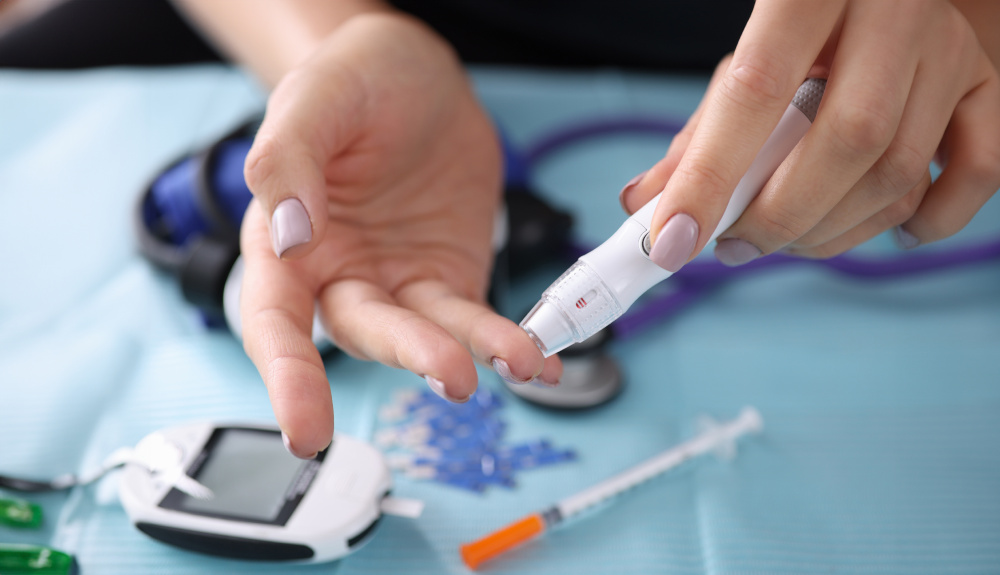
Cardiometabolic conditions like heart disease, diabetes, and obesity rarely appear suddenly. Risk accumulates quietly, shaped by daily patterns related to sleep, activity, stress, and metabolism. This is where continuous monitoring is having one of its greatest impacts.
Modern wearables now track heart rhythm, sleep quality, activity levels, glucose trends, and increasingly, daily blood pressure patterns. Unlike traditional clinic measurements, this data reflects real life: work stress, disrupted sleep, weekend routines, and gradual behavioral shifts that often go unnoticed between routine clinic visits.
What’s changed is not just visibility, but predictability. Advanced wearable systems can detect subtle deviations in heart rhythm, glucose stability, or recovery metrics that signal rising risk well before a patient experiences symptoms. Someone may feel fine, but their data tells a different story, enabling clinicians to intervene earlier through lifestyle guidance, medication adjustments, or closer monitoring.
For manufacturers, this capability elevates wearables from monitoring tools to preventative care platforms. Instead of reacting to cardiac events or metabolic crises, continuous insight supports earlier, lower-cost intervention. This shift strengthens clinical value, supports reimbursement pathways, and aligns device performance with long-term health outcomes rather than isolated readings.

Mental health changes rarely happen overnight. Stress, anxiety, and burnout tend to develop gradually, often without clear physical symptoms until they reach a breaking point.
Wearables are beginning to close this gap by continuously tracking signals such as sleep quality, heart rate variability, activity patterns, and stress markers. Over time, these data streams reveal patterns that a self-report or occasional check-in simply cannot capture.
Smart rings and wrist-based devices are especially effective in this context. They collect data passively, building individualized baselines that make deviations easier to spot. When sleep shortens, recovery declines, and physiological stress remains elevated over days or weeks, the data tells a consistent story, even before a person can articulate how they feel.
Some platforms now pair these insights with guided feedback, helping users understand what may be contributing to their symptoms and which changes are likely to help. For clinicians, seeing patterns over time makes it easier to step in earlier and adjust treatment with greater confidence.
This shift moves mental health care from reactive discussions to data-backed early detection. For manufacturers, that evolution translates into stronger product differentiation, sustained user engagement, and clearer pathways to reimbursement. Continuous insight powered by longitudinal data and intelligent software transforms a wearable from a wellness accessory into a clinically relevant platform.
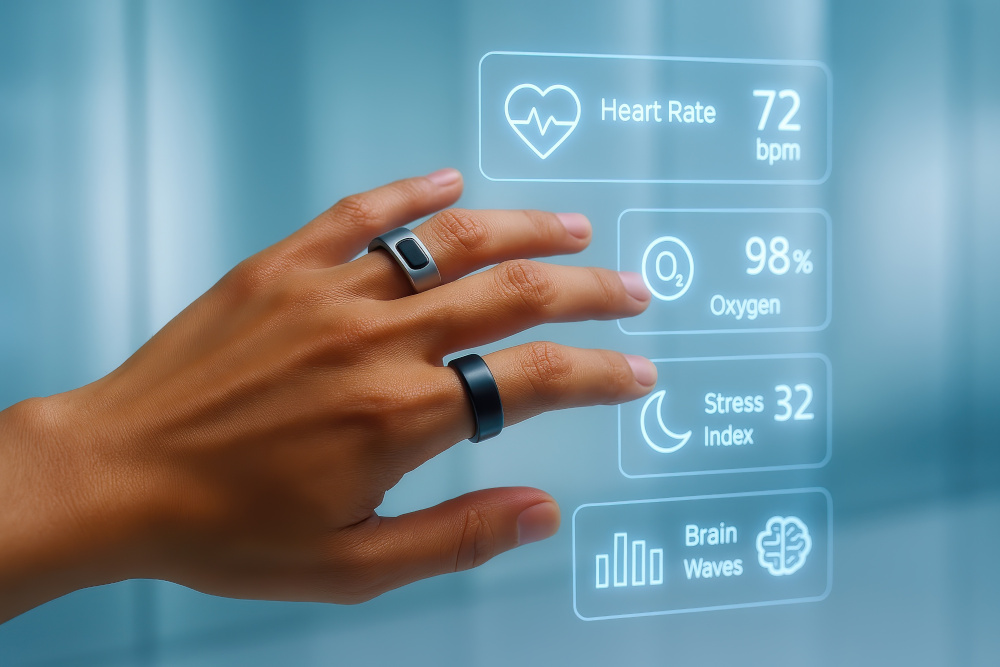
For individuals managing chronic conditions such as hypertension, Chronic Obstructive Pulmonary Disease (COPD), or arthritis, the majority of care happens outside clinical settings. Historically, clinicians had limited visibility into this period between visits.
Continuous insight models are changing that dynamic. Wearables that track activity, heart rhythm, oxygen saturation, and sleep provide a clearer picture of how patients are functioning day to day. Small changes in these metrics can indicate deterioration or flare-ups long before hospitalization is required.
When integrated into remote monitoring platforms, this data allows care teams to adjust treatment plans in near real time rather than waiting weeks or months for follow-up appointments. Patients gain visibility into how their behaviors affect symptoms, while clinicians gain confidence in data-driven decision making.
The result is a more balanced partnership. Care becomes ongoing rather than episodic, proactive rather than reactive. For manufacturers, this reinforces the value of building devices and platforms that support remote accessibility, secure data sharing, and long-term engagement across the product lifecycle.

Continuous insight is quietly reshaping healthcare. Across cardiometabolic health, mental well-being, and chronic disease management, wearables are enabling earlier intervention, clearer clinical decisions, and more engaged patients. What was once reactive is becoming preventative. What once lived only in the clinic is now embedded in everyday life.
For medical device manufacturers, this shift represents both an opportunity and a responsibility. Delivering continuous insight requires more than sensor innovation. Making this possible requires software-driven systems that can interpret trends, adapt to individual baselines, and deliver insights clinicians can trust, securely and at scale.

Tools like our CypherMed Cloud provide a secure, compliant foundation for storing and managing medical device data, helping teams turn continuous health data into actionable insight. With the right infrastructure in place, manufacturers can focus on improving care and outcomes rather than managing data challenges.
If you’re developing a wearable or connected health solution and want to explore insight-driven, cloud-enabled care, let’s connect.


