.png)

Wearable technology has evolved far beyond consumer facing fitness trackers. For medical device manufacturers, wearables are now sophisticated, extensible platforms that enable continuous insight models. Systems designed to collect, analyze, and act on health data in real time. This shift is redefining how value is delivered, not just to patients and clinicians, but to the companies designing and bringing these devices to market.
Instead of just giving occasional readings, today’s wearables collect data continuously over time, helping spot changes earlier, support personalized care, and let clinicians check in remotely. For device makers, this means the chance to create products that stand out, offer ongoing value through software, and fit more naturally into how care is actually delivered.
One of the clearest examples of this evolution can be seen in today’s hearing aids. What were once purpose-built amplification devices have quietly become always-on, connected health platforms and I’ve seen that shift firsthand through my sister-in-law’s daily use of her hearing aids.
In practice, these devices go far beyond improving hearing. Her hearing aids function as two-way audio devices, allowing her to take phone calls seamlessly without reaching for her phone. They integrate with her smartphone as a remote microphone, so when we’re sitting in the living room watching a movie, she can place her phone near the TV speakers and stream the audio directly to her hearing aids. This lets her amplify the sounds she wants while filtering out surrounding conversations or background noise.

What’s really amazing is how much of this happens automatically. Using onboard processing and software driven intelligence, the devices recognize and adapt to different environments, whether she’s in a café, outdoors, or at a theater. Noise cancellation and sound enhancement adjust automatically without any manual input. Over time, they even learn from her behavior, applying preferred settings based on past adjustments.
From a product development standpoint, modern hearing aids show how individualized features and extensible architectures reinforce one another. Patient specific capabilities such as activity monitoring, fall detection, and cognitive health indicators are delivered through a software driven platform that can continue to evolve through companion apps and cloud-connected services, enabling remote configuration, personalized tuning, and ongoing feature enhancement without hardware changes.
This is the hallmark of a continuous insight model: a device that improves and expands over time through software, personalized data, and connectivity.
For medical device companies, continuous insight models are built on a few core capabilities that turn raw sensor data into clinical and commercial value. Below we’ll discuss several advancements that have transformed wearables into tools for meaningful health insights. These include continuous data collection, the ability to identify patterns and trends for analysis and prediction, earlier detection of health risks, more personalized patient specific data, the ability to support patients remotely wherever they are, and the importance of cloud infrastructure.
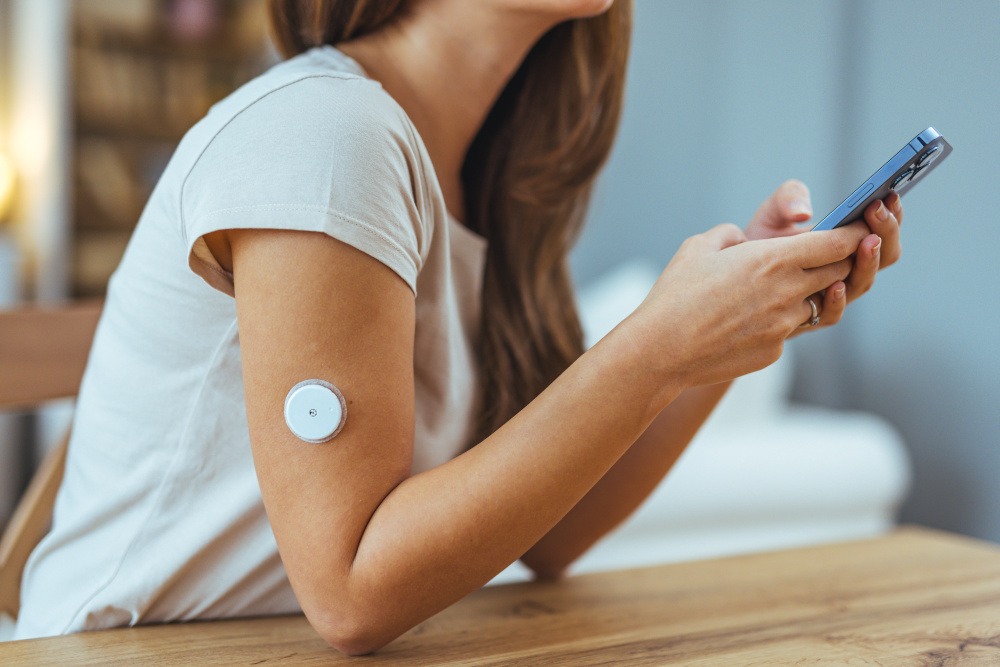
Modern wearables continuously capture physiological and behavioral data such as heart rate, sleep quality, activity levels, stress markers, and more. This persistent data stream provides context that point-in-time measurements simply cannot.When securely collected and stored in the cloud, this data becomes accessible beyond the device itself, enabling clinicians to review trends over time, monitor patients remotely, and make more informed, timely decisions.
Continuous glucose monitors are a strong example. By delivering real time glucose data throughout the day, they allow users and clinicians to understand how diet, activity, and medication interact dynamically. Newer form factors such as skin patches and biochemical sensors are extending this approach to hydration, electrolyte balance, and other biomarkers that historically required lab testing.
For device makers, always on collection creates opportunities for advanced analytics, clinical validation, long-term engagement, and scalable cloud-based review workflows that support both patients and care teams.
The real power of continuous data lies in trend analysis. Instead of relying on sporadic clinic visits, wearables can surface meaningful patterns over days, weeks, or months.
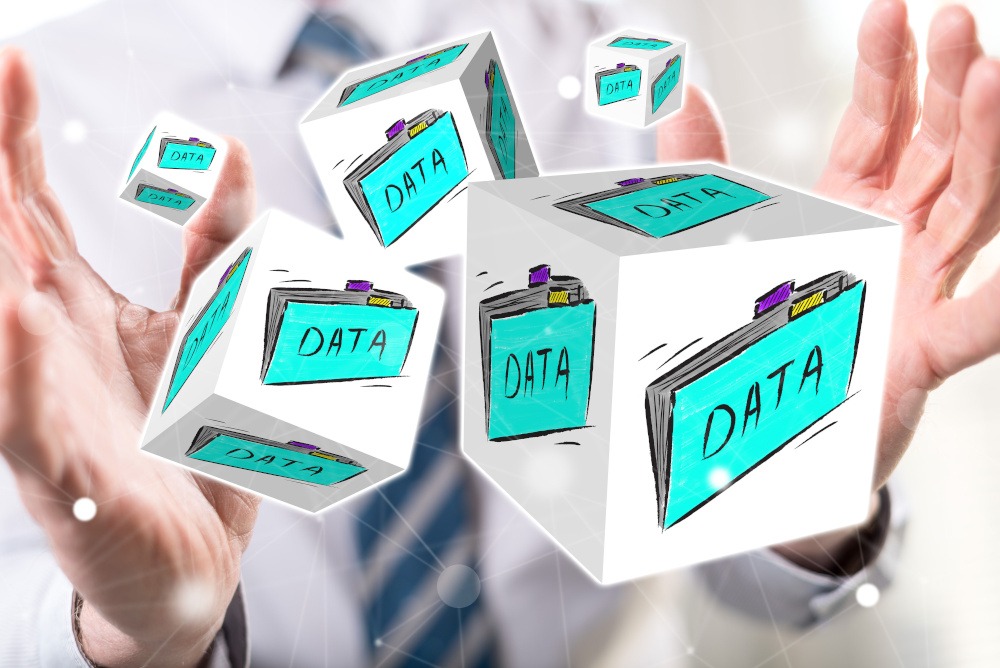
Devices that continuously track heart rhythm, for example, can pick up irregularities sooner than traditional checkups, which means care teams can respond faster. The same idea applies to other areas, like respiratory or neurological monitoring.
Even in everyday situations, tracking trends makes devices more useful and sets them apart. Take the hearing aids: the software learns from the adjustments my sister-in-law makes in different environments and starts applying those preferences automatically over time. This kind of smart, adaptive behavior only works when devices are designed to notice patterns, not just record raw data.
Continuous monitoring allows subtle deviations from a patient’s baseline to be identified before symptoms become obvious. These early signals support timely intervention, improved outcomes, and stronger clinical confidence in the device.
In practice, this might look like a wearable alerting a user or care team to an arrhythmia, changes in sleep patterns correlated with neurological decline, or activity deviations that suggest increased fall risk. For manufacturers, enabling early detection strengthens clinical relevance and supports regulatory and reimbursement strategies.
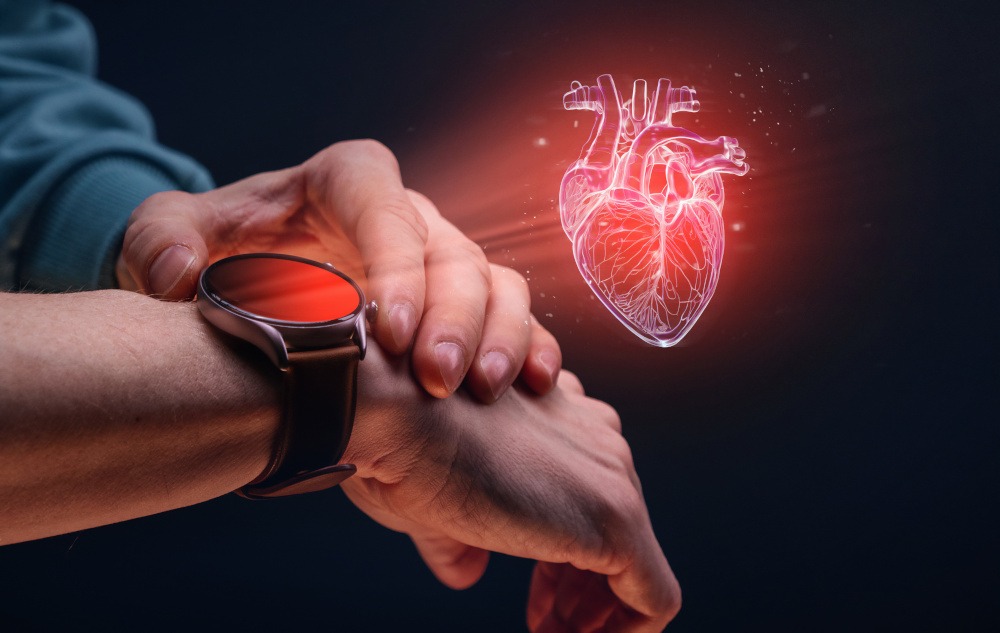
From a reimbursement perspective, payers such as government programs and private insurers care about preventing costly health events, reducing hospital stays, and helping patients get better results sooner. When a wearable can spot issues early and provide ongoing monitoring, it becomes easier for providers to get reimbursed for using it. This can include programs for remote patient monitoring, specific billing codes, or broader coverage decisions. For manufacturers, these capabilities help show the financial value of their device and make it more attractive to both clinicians and patients.
Population averages have limited value in real-world care. Continuous insight models rely on individualized baselines, allowing devices to flag what is unusual for a specific patient rather than what is statistically abnormal across a broad group.
Emerging cuffless blood pressure monitors illustrate this well. By tracking readings continuously, these devices establish a personalized baseline and generate alerts only when meaningful deviations occur. This approach improves signal quality, reduces false alarms, and increases clinician trust in the data.
Connectivity is what transforms wearable data into actionable insight at scale. When device data is securely accessible through cloud-based platforms, clinicians and care teams can monitor patients remotely, review trends, and intervene without requiring in-person visits.

For manufacturers, this kind of capability makes it easier to support care that happens anywhere, keep track of how devices are performing after they’re on the market, and continue improving software over time. At the same time, it comes with new responsibilities around keeping data secure, making systems reliable, staying compliant with regulations, and ensuring everything can scale as usage grows.
As wearables generate larger volumes of continuous data, cloud infrastructure becomes indispensable. Secure cloud storage like CypherMed Cloud supports long-term data retention, advanced analytics, remote device management, and seamless integration with clinical systems.
A well architected cloud environment allows manufacturers to:
Without a healthcare grade cloud foundation, even the most advanced wearable hardware will struggle to deliver on the promise of continuous insight.
Wearables are no longer standalone devices. They are software driven, cloud connected platforms that shift healthcare from episodic snapshots to continuous understanding.
For medical device manufacturers, this shift demands more than data storage. It requires systems that can interpret trends, adapt to individual baselines, and deliver insights clinicians can trust, securely and at scale. When designed correctly, continuous insight models extend care beyond the clinic and create lasting value across the product lifecycle.
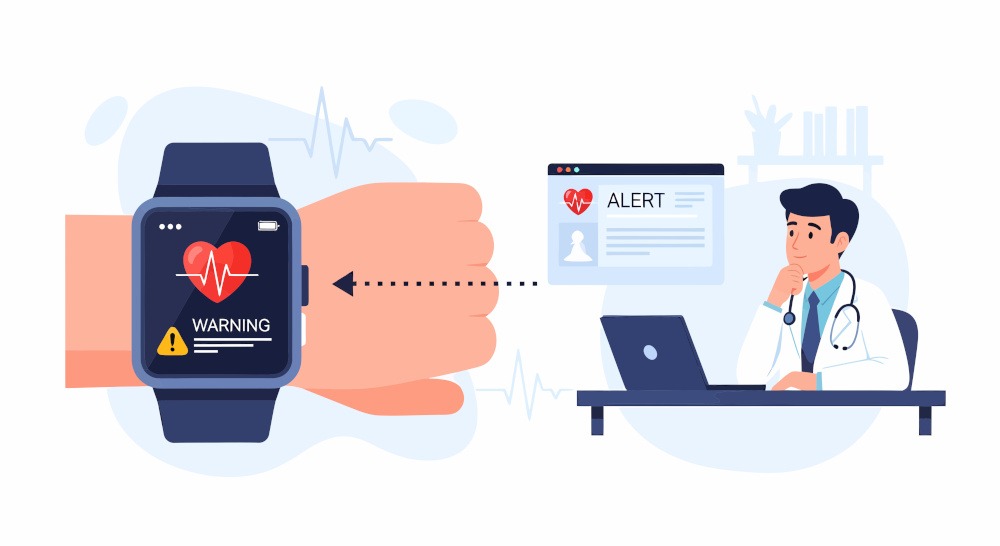
At Promenade Software, this is the work we specialize in. We partner with teams building wearable and connected health solutions to design and develop the software that powers continuous insight, from device integration to secure cloud infrastructure.
Our Cyphermed Cloud is built for medical device data, providing a secure, compliant foundation for storing, managing, and scaling continuous health data. It enables manufacturers to focus on innovation while meeting the demands of security, reliability, and regulatory compliance.
Continuous insight is not a minor feature upgrade. It represents a fundamental shift in how medical devices deliver value. So where is this shift having the biggest impact right now? Find out in Part 2, coming this February.
If you’re building a wearable or connected health solution and want to support insight driven, cloud enabled care, let’s connect.


