.png)

As the world watches the FIFA World Cup, millions of fans focus on the athletes competing on the field. Behind every match, however, is an entire ecosystem of technology helping teams monitor performance, manage player health, analyze data, and make critical decisions in real time.
While professional soccer and healthcare may seem worlds apart, they share an important commonality: both depend on accurate data, reliable software, and timely decision-making.
The technologies supporting elite athletes today have much in common with the software powering modern medical devices. From wearable monitoring systems and connected mobile applications to cloud platforms and real-time analytics, software plays a critical role in transforming complex data into actionable information.
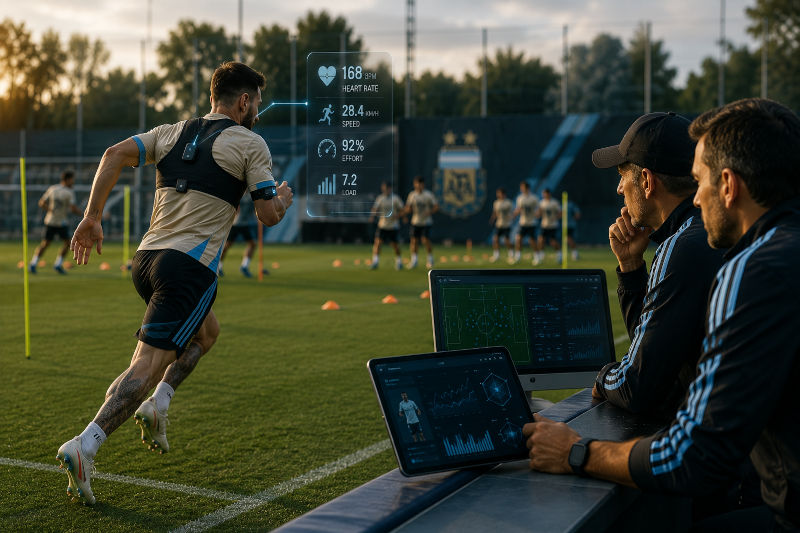
In a World Cup match, a single moment can change the outcome of a game.
Coaches and trainers rely on real-time information to evaluate player performance, monitor fatigue, assess injury risk, and make strategic decisions. The ability to access accurate information at the right time can have a significant impact on the team’s success.
Healthcare environments operate under similar conditions.
Clinicians often depend on medical devices to collect, process, and present critical patient information. Whether monitoring vital signs, reviewing diagnostic data, or managing treatment decisions, timely access to reliable information can directly impact patient outcomes.
In both environments, software serves as the bridge between raw data and informed decision-making.
Fans see the athletes on the field, but they rarely see the coaches, trainers, medical staff, analysts, and technology teams working behind the scenes.
The same is true in healthcare.
Patients and clinicians interact with medical devices every day, but behind
those devices are teams of software engineers, quality assurance specialists, cybersecurity experts, user experience designers, project managers, and regulatory professionals working together to ensure the technology performs safely and reliably.
Successful FDA-regulated medical device software development requires more than writing code. It requires collaboration across multiple disciplines to create solutions that are secure, effective, user-friendly, and compliant with regulatory requirements.
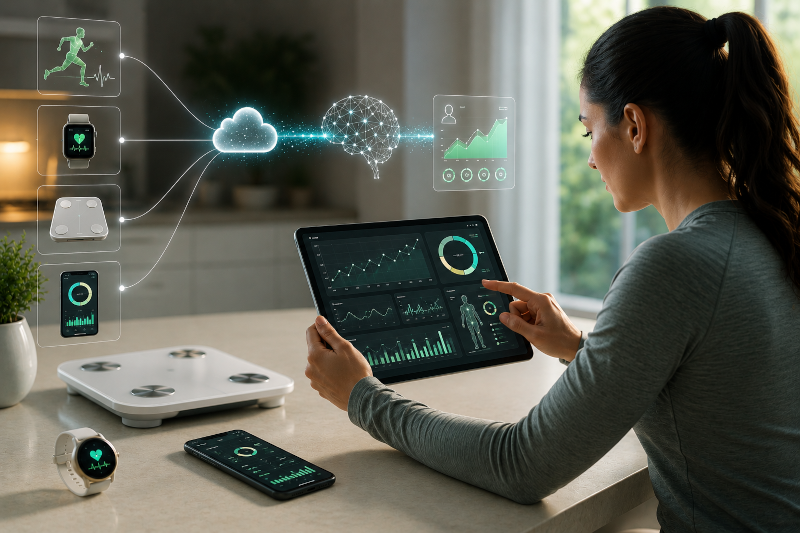
Modern soccer organizations use wearable sensors, biometric monitoring systems, video analytics, and performance tracking tools to help optimize athlete performance.
Many of these same software concepts are found in today’s connected medical devices and Software as a Medical Device (SaMD) solutions.
Medical device companies are increasingly leveraging:
The goal is not simply to collect data. The goal is to transform information into meaningful insights that help users make better decisions.
Whether the user is a coach evaluating an athlete’s readiness to compete or a clinician reviewing patient information, effective software helps present the right information to the right person at the right time.
World Cup teams depend on accurate and reliable information when making important decisions. The data they receive must be trustworthy and available when needed.
Medical devices face even greater expectations.
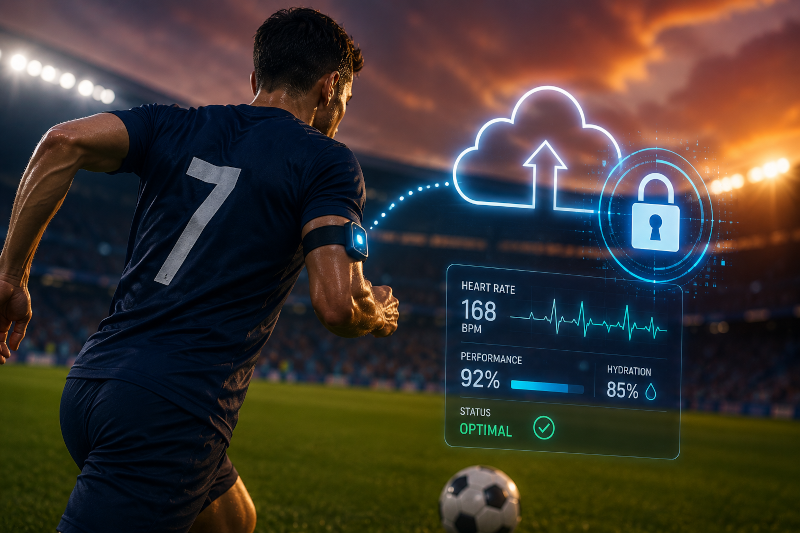
Medical device software must perform consistently, protect sensitive information, and support patient safety. As connected devices become more common, cybersecurity has become an increasingly important component of medical device development.
Organizations developing connected medical devices and SaMD solutions must consider not only functionality, but also security, risk management, usability, data integrity, and regulatory compliance throughout the product lifecycle.
In the same way that elite sports organizations prioritize the security of player performance and health data, connected medical products must ensure the protection of patient information and the maintenance of system-wide integrity. Whether the objective is securing a world championship or providing safe, effective care, robust cybersecurity remains a cornerstone of reliable technology.
Whether supporting a World Cup team or a healthcare organization, software exists to help people make better decisions.
The technology may be different, but the underlying principles remain the same: collect accurate data, present meaningful information, and deliver a reliable user experience.

At Promenade Software, we help medical device companies develop FDA-compliant software solutions that transform complex data into actionable insights. Our experience includes connected medical devices, Software as a Medical Device (SaMD), mobile applications, cloud platforms, cybersecurity initiatives, and FDA-regulated healthcare technologies. The same principles that help World Cup teams gain a competitive edge through accurate data, reliable software, and secure connectivity also help medical device companies create innovative solutions that improve lives every day.
As connected healthcare continues to evolve, organizations need software partners who understand both the technical and regulatory challenges of medical device development.
Because in healthcare, just like in the World Cup, every second counts.


